Arresting a Ship from Karnataka High Court
The arrest of a ship is an essential aspect of admiralty jurisdiction, facilitating the enforcement of maritime claims through the detention of a vessel. Under the Admiralty (Jurisdiction and Settlement of Maritime Claims) Act, 2017 (hereinafter referred to as the "Act"), the Karnataka High Court has been vested with jurisdiction to entertain admiralty suits, including those that seek the arrest of ships found within its territorial waters. This paper explores the legal framework surrounding the arrest of ships in the jurisdiction of the Karnataka High Court, the port infrastructure in the state, and the relevant statutory and judicial processes involved in obtaining an order of arrest.
2. Admiralty Jurisdiction under the Act
Section 4 of the Admiralty (Jurisdiction and Settlement of Maritime Claims) Act, 2017 confers jurisdiction upon the High Courts of India, including the Karnataka High Court, to entertain maritime claims that fall within the scope of admiralty jurisdiction. The Act modernized and consolidated the provisions relating to admiralty law in India, providing a framework for addressing maritime claims in a more structured and uniform manner across the country.
The Karnataka High Court, under the provisions of the Act, is vested with the jurisdiction to hear suits and applications related to maritime claims, including the arrest of ships within the territorial waters of Karnataka. This jurisdiction is exercised in accordance with the principles established by the Indian Admiralty law, alongside global standards and precedents.
3. Maritime Claims and Arrest of Ships
The Act outlines specific maritime claims that may form the basis of an admiralty suit, which can include claims for damages arising from ship collisions, salvage, and cargo claims, among others. When a party seeks to secure their claim, an order for the arrest of the vessel in question may be sought from the court. Arresting a ship is an essential tool in ensuring the enforcement of maritime claims, and the Karnataka High Court is equipped with the authority to issue such orders within the territorial waters of the state.
A claim may be made against a vessel that is within Karnataka's territorial waters, as the court exercises admiralty jurisdiction over the ships that anchor, dock, or navigate in the area. Section 5 of the Act further consolidates the scope of actions in rem, wherein claims are made directly against the vessel, rather than against the vessel's owner. This facilitates the arrest of a vessel, ensuring that it remains under the control of the court until the dispute is resolved or the claim is satisfied.
4. Territorial Jurisdiction of the Karnataka High Court
Karnataka's coastline, known as Karavali, stretches over 300 km and runs along the eastern shore of the Arabian Sea, encompassing significant ports and maritime routes. This jurisdiction is vital for the effective enforcement of admiralty claims within the region. The territorial waters of Karnataka, therefore, become an area within which the Karnataka High Court may exercise its admiralty jurisdiction, including the arrest of any vessel found within this domain.
The coastline of Karnataka stretches from Mangalore in the Dakshina Kannada district to Karwar in the Uttara Kannada district. Within this stretch, the state is home to several ports, both major and minor, that play a critical role in the state's maritime activity. The availability of such ports is integral to the ability of the Karnataka High Court to exercise its jurisdiction in maritime disputes.
5. Ports and Maritime Infrastructure in Karnataka
Karnatakas maritime infrastructure is strategically situated along the Arabian Sea, offering key port facilities that enable trade and commerce, as well as maritime operations. The ports along the coastline of Karnataka are classified into major and minor ports, and each has its unique significance in the state's maritime activities.
-
New Mangalore Port: The only major port in the state, it plays a crucial role in handling bulk cargo, including petroleum products, iron ore, and chemicals. The port is strategically located at Mangalore in the southern part of Karnataka, and its prominence in the region ensures its centrality in maritime operations.
-
Minor Ports: In addition to New Mangalore Port, there are ten minor ports located across Karnatakas coastline. These ports are primarily riverine fair-weather lighterage ports, although Karwar port, in Uttara Kannada, is an all-weather port. The minor ports are located at:
-
Karwar
-
Old Mangalore
-
Belekeri
-
Tadadi
-
Honnavar
-
Bhatkal
-
Kundapur
-
Hangarakatta
-
Malpe
-
Padubidri
-
Each of these ports is significant for specific maritime functions, such as handling cargo, providing dock facilities, and supporting shipping operations in the region. Their operational capacity, particularly in handling lighter vessels and facilitating cargo transfers, contributes to Karnatakas overall maritime capacity.
6. Department of Ports and Inland Water Transport
The Government of Karnataka recognized the importance of its coastline and ports as early as 1957, leading to the establishment of the Department of Ports and Inland Water Transport. This department oversees the development, maintenance, and operation of the state's ports, ensuring that they remain in line with modern standards for maritime activity.
The Departments functions include:
-
The maintenance and development of the states ports.
-
Managing the infrastructure for inland water transport.
-
Overseeing port operations and ensuring their safety and efficiency.
-
Facilitating the growth of maritime trade and services, in line with state and national policies.
The Department also plays a crucial role in regulating maritime activities within the state and ensuring that the legal framework surrounding maritime claims, including the arrest of ships, is adhered to.
7. Process of Arresting a Ship in Karnataka
The process for arresting a vessel in Karnataka involves several procedural steps. These steps include filing a suit in the Karnataka High Court, presenting a maritime claim, and seeking an order of arrest.
-
Filing of the Suit: The first step in the process involves filing an admiralty suit before the Karnataka High Court. The claimant must demonstrate that they have a valid maritime claim that falls within the purview of the Act.
-
Application for Arrest: Following the filing of the suit, an application can be made to the court for the arrest of the vessel. The applicant must provide sufficient evidence to show that the ship in question is within Karnatakas territorial waters, and that the claim meets the criteria specified under the Act.
-
Issuance of an Arrest Order: Upon reviewing the application and the accompanying documents, the court may issue an order for the arrest of the vessel. This order typically directs the Sheriff or an appointed Admiralty Marshal to take physical possession of the vessel.
-
Security for Release: Once the vessel is arrested, the owner or interested parties may seek to secure the release of the vessel by providing security. This security may be in the form of a bank guarantee, bond, or other instruments, which will remain in place until the maritime claim is resolved.
-
Notices and Hearing: Notices of the arrest are served to all relevant parties, and a hearing is scheduled before the court to determine the future course of the proceedings.
8. Challenges and Legal Considerations
Arresting a ship in Karnataka is not without its challenges. Several legal considerations come into play, including questions related to the validity of the claim, the territorial jurisdiction of the Karnataka High Court, and the security requirements for the release of an arrested vessel. Moreover, issues related to the priority of maritime claims and the procedural aspects under the Act must be carefully examined.
Additionally, challenges may arise regarding the enforcement of court orders, especially if the vessel is located in remote areas or outside the jurisdiction of Karnataka. In such cases, coordination with other courts or authorities may be required to enforce the arrest effectively.
The Karnataka High Courts jurisdiction over maritime claims, including the arrest of ships within its territorial waters, represents a significant development in the states legal and maritime infrastructure. The enactment of the Admiralty (Jurisdiction and Settlement of Maritime Claims) Act, 2017 has further empowered the Karnataka High Court to handle admiralty cases in a more systematic and efficient manner. With its strategically located ports, the state plays a key role in Indias maritime operations, and the legal mechanisms for the arrest of ships contribute to the orderly resolution of maritime disputes.
In conclusion, the arrest of ships in Karnataka is a multifaceted process that combines legal, procedural, and infrastructural elements. The Karnataka High Courts ability to exercise admiralty jurisdiction ensures that maritime claims within its territorial waters can be effectively adjudicated, providing a vital tool for the enforcement of maritime rights.
Arresting a Ship in India
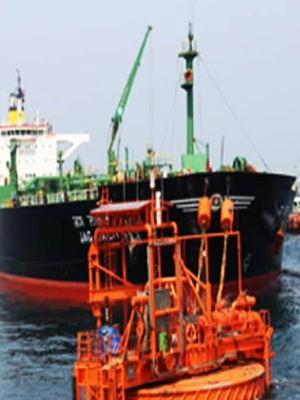
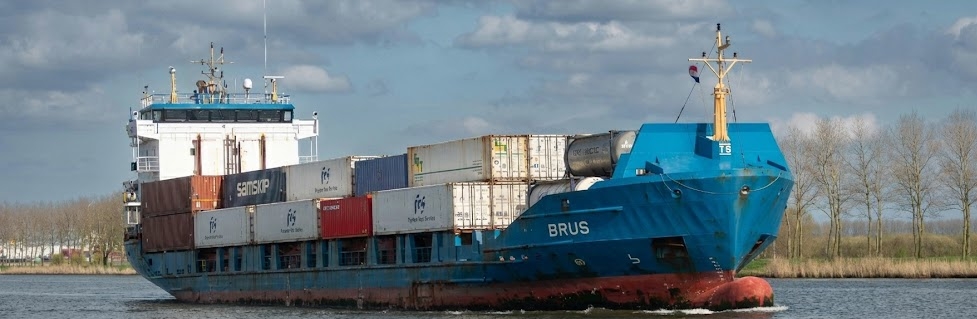
India
Ship Arrest
All about Ship Arrest in India and Admiralty Laws
View more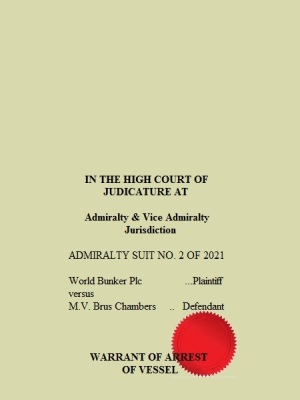
How to
Proceed?
Step-by-Step Guide to Arrest a Ship Anywhere in India
View more
How much
will it Cost?
Professional fees and expenses explained
View more
Who
We Are?
Shipping and Commercial Arbitration specialist
View more
Back to
Home Page
View more
CONTACT
Dr. Shrikant Pareshnath Hathi
Managing Partner,
BRUS CHAMBERS, Advocates & Solicitors,
8, Rajabahadur Mansion, 3rd Floor,
Ambalal Doshi Marg, Fort, Behind BSE,
Mumbai 400001, India
Phone: +91-9769946865
Web: More info
Email: shrikant@bruschambers.com
OR
Ms. Binita Hathi
Partner,
BRUS CHAMBERS, Advocates & Solicitors,
8, Rajabahadur Mansion, 3rd Floor,
Ambalal Doshi Marg, Fort, Behind BSE,
Mumbai 400001, India
Phone: +91-9769946864
Web: More info
Email: binita@bruschambers.com